
Review: No Pride in Genocide - SQIFF | Bethany Watt

Blood Like Water (Dima Hamda, 2023)
I was delighted to be given tickets to the No Pride in Genocide screening at the end of last month at the Scottish Queer International Film Festival (SQIFF). The screening showed a selection of three independently made films, specifically curated to amplify queer voices in the midst of erasure and silence through the ongoing occupation and genocide in Palestine. Immediately after taking my seat at the intimate screening, I noticed the focus on accessibility, with a BSL interpreter and live captions projected on screen next to the films.
In the SQIFF magazine, the summary of the screening noted, ‘In a time when visibility is weaponized, we refuse silence. There is no queer liberation without the liberation of Palestine. There is no pride in genocide. Liberation for Palestine is liberation for us all.’ I read these words as the lights dimmed, and the screening began.
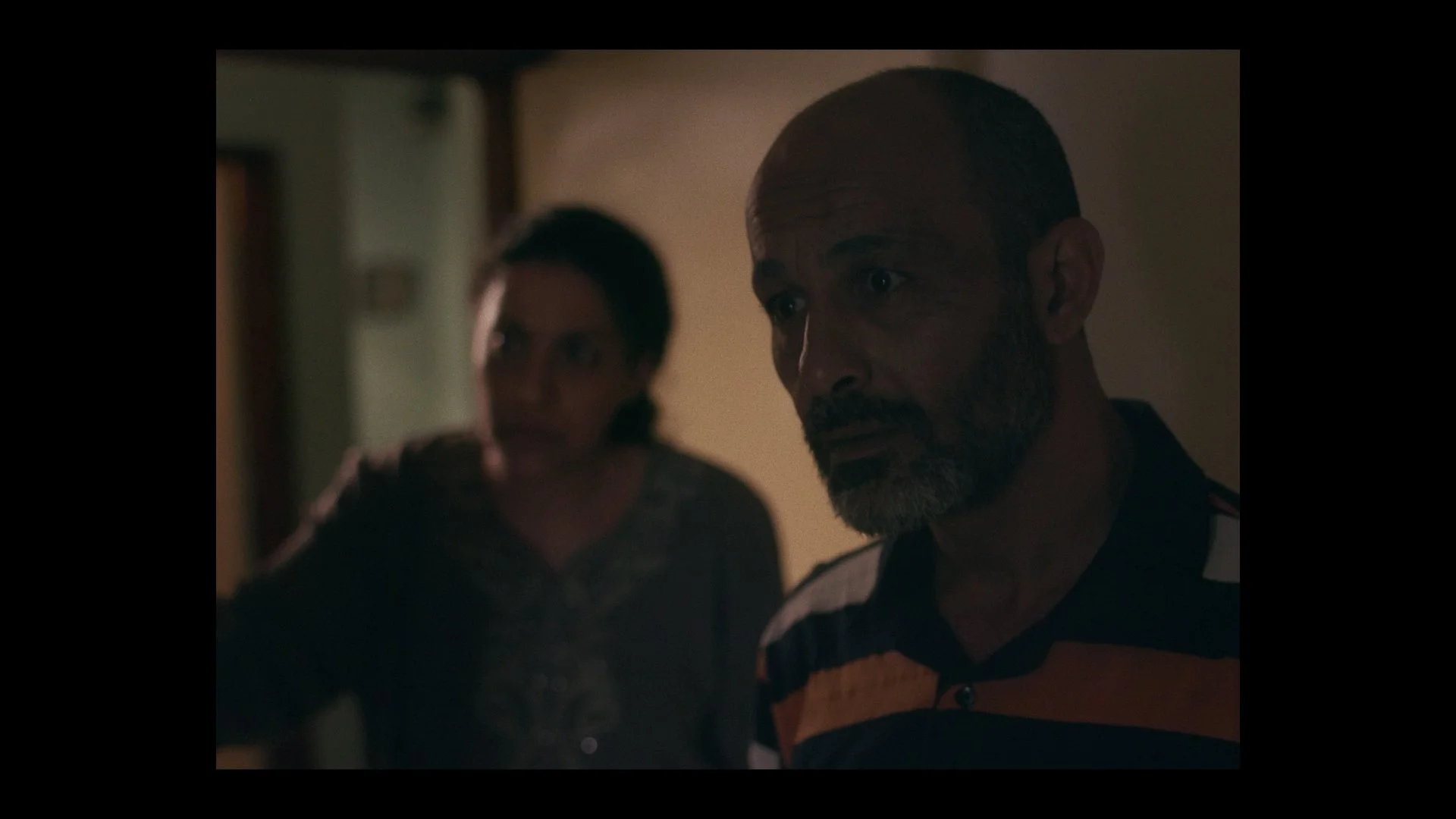
Blood Like Water (Dima Hamda, 2023)
‘Blood Like Water’ is a short film directed by Dima Hamda in Palestine in 2023. The film begins with a young man coming home to his parents, as they play a board game, the perfect metaphor for a happy family. This is all disrupted when the protagonist's father gets a phone call from a member of the IDF blackmailing them to collaborate with the Israeli occupation, or a video of his son having sex with a man will be released online. This was a very dialogue-heavy thirteen minutes, with short cuts between father, mother, and son emphasizing the hurt and confusion on each face. The lighting, once bright, turns dark, engulfing the protagonist as his father confronts him. Eventually, the son returns home, his mother saying, “no matter what, we have to accept”. Whether this was motivated by the refusal to accept the Israeli occupation or a love for a son, it is left unclear; however, the slight smile on the mother’s face indicates the more nurturing latter. The film ends in a long silence; I could feel acceptance in the unspoken words.
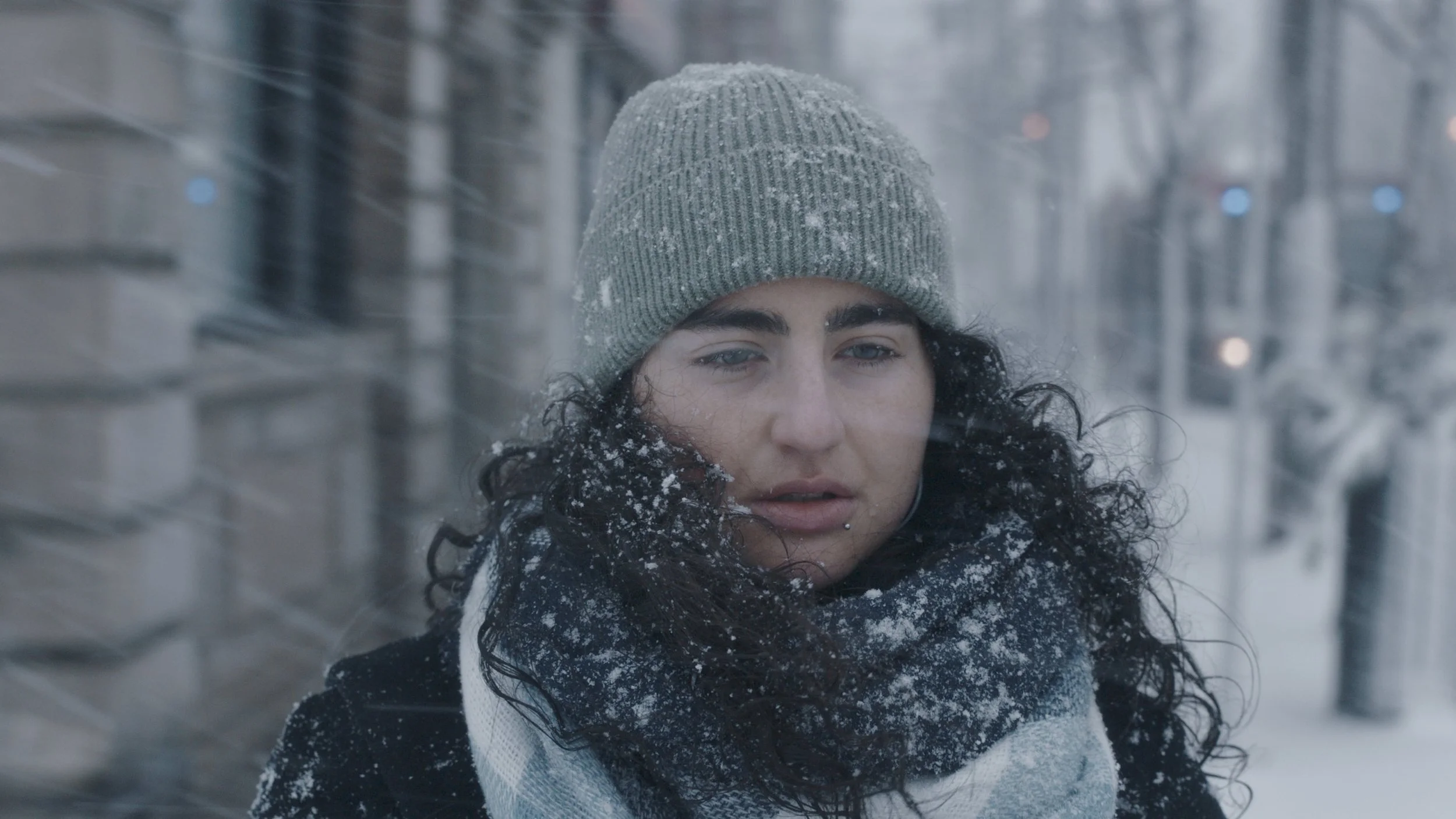
I Never Promised You a Jade Garden (Teyama Alkamli, 2023)
‘I Never Promised You a Jade Garden’ directed by Teyama Alkamli in 2023, follows Tara, a queer Palestinian-Canadian woman, as she talks to her friend, Sarab, whom she is in love with. I am unsure if this was purposeful, but the title mimics that of the 1977 film ‘I Never Promised You a Rose Garden’ where a young woman is institutionalized when she struggles to differentiate the real world from her fantasies. This film is a bittersweet comedy, Tamara herself falls into a comfortable and flirtatious conversation with her friend, who is entertaining the idea of a fantasy world, where they are in a relationship. The actress did well to portray the sharp rises and falls of emotion throughout the phone call, one minute, she is laughing and playing with her hair, the next, her face is emotionless, and she makes short replies. Her friend remarks that she loves to kiss women, but would never be in a relationship with them, highlighting a common trope in queer film representing the ease with which straight people can have guilt and oppression-free fun with sexuality, yet deplore the idea of dating someone of the same sex. This film is fun and, above all, frustrating; you are right there with Tamara’s intonation of feeling every step of the way. In the end, Sarab is discussing in crude detail the attraction she has for a man, whilst Tamara is asking strangers on the street for cigarettes so that she may get through the conversation. An intense zoom on Tamara’s face as the words from Sarab fade into the background leaves us distraught for her.
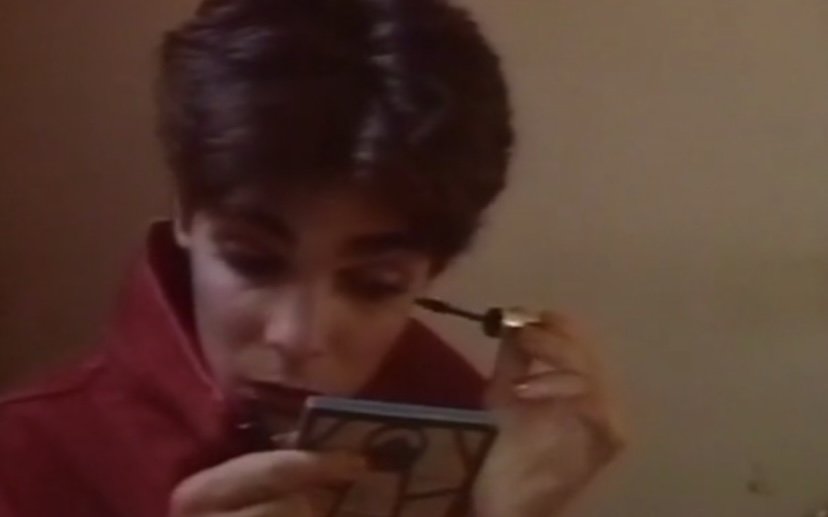
Cinema Fouad (Mohamed Soueid, 1993)
The final showing at this screening was ‘Cinema Fouad’ directed by Mohamed Soueid in 1993. A documentary about a Syrian trans-woman, Oscar Al-Halabiey, a former resistance fighter against the Israeli occupation in Lebanon, as she works as a belly dancer in Beirut. The protagonist herself is a beautiful and captivating woman; she speaks about her life with great ease and poetic flair. Her small, minimalist apartment greatly juxtaposes the grandeur of her life so far. The director is brash in the way he provokes answers from her, although she confides that she feels comfortable around him. It is a bizarre professional relationship that works brilliantly in creating a natural conversation. Early on, we see Al-Halabiey put on makeup, the director asks if she loves herself, to which she replies, “Of course, I feel like I am strengthening my femininity with makeup”. Her confidence is what makes the talk of her suffering more painful as a watcher. She describes in detail her time as a resistance fighter, how her being in “limbo” about her gender led her to attempt to be a martyr. As she opened more, so too does the director soften as he speaks to her. This is a story within a story ten times over, but also quite simply a girl talking about her life. The film was a highlight for me personally; her casual elegance in dissecting themes of grief and resistance will stay with me.
I asked Huss, the curator of the screening, why he chose these films to feature; “No Pride in Genocide is a programme I curated to challenge the silence around global struggles within queer spaces, especially the ongoing Israeli genocide against Palestinians.
“I wanted to connect queer liberation with wider movements for justice and freedom because our rights mean little if they come at the cost of others’ suffering.”
Huss goes into further detail, stating: “The programme calls out pinkwashing and highlights how queer solidarity must be global, rooted in empathy and resistance to all forms of oppression.
“Ultimately, it is a love letter to all the lives affected by Israeli violence and war crimes, a way to honour their stories, their resilience, and their humanity through film.
“It’s a reminder to people that queer liberation and Palestinian liberation are deeply intertwined and that there can be no pride in genocide.”
With Disobedient’s focus on the relationship between art and resistance, I asked Huss about what this means to him: “From my experience, film is a form of resistance.
“For queer people especially, creating and sharing our films pushes back against the narratives that try to define or erase us.
“It doesn’t always have to be confrontational; sometimes just showing queer joy, love, or everyday life is a radical act.”
About Bethany
She/her
Bethany Watt is Disobedient Magazine’s Current Affairs Editor. She has freelance experience with STV, the Royal Television Society, and the Scottish government. Her favourite subjects to cover include human interest stories, activism, and film. She’s always keen to hear new stories. You can contact her at bethanywatt90@gmail.com
