
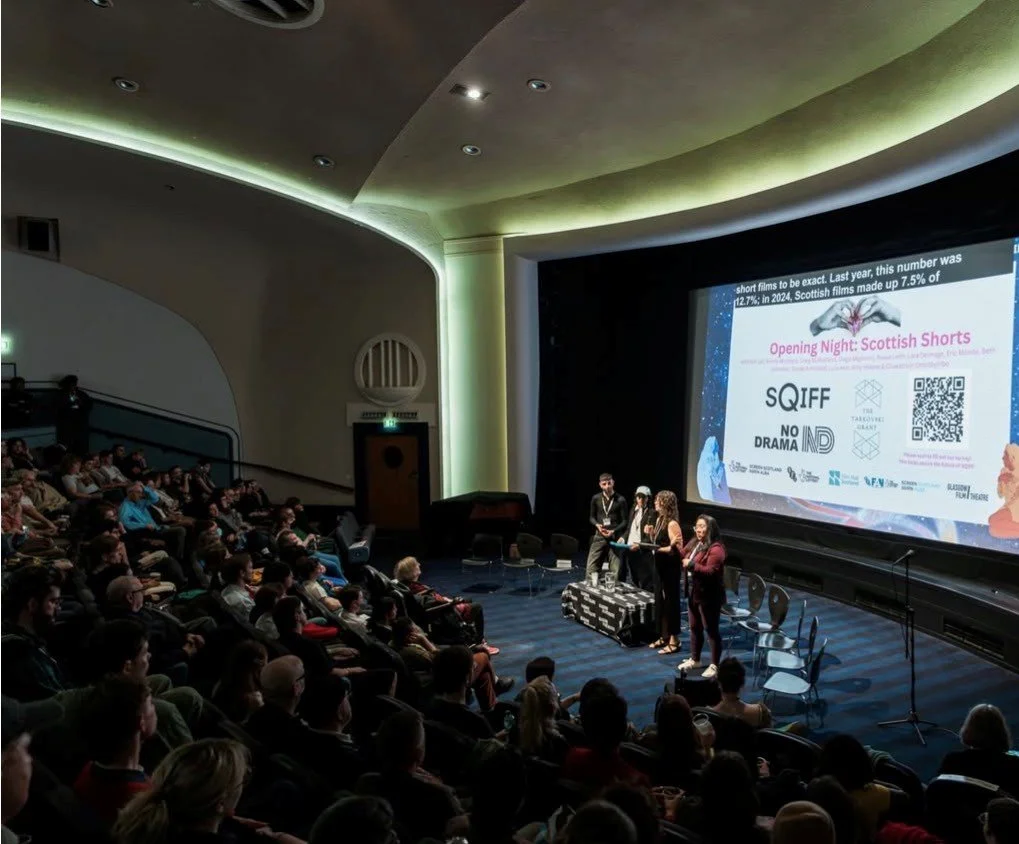
This year marks the Scottish Queer International Film Festival’s (SQIFF) 11th birthday, dubbed its ‘Golden Year’, and what a golden year it has been.
I was lucky enough to attend the sold-out opening night held at Glasgow Film Theatre, where ten short films created by outstanding queer filmmakers were showcased. All the films in this screening are competing for the title of Best Scottish Short, to be announced at the end of the week. After this opening night, it’s anyone’s game.
After a brisk walk up Sauchiehall Street, I was welcomed by the warmth and buzz of the theatre lobby. In true British manner, a tidy queue had already formed outside Cinema One. With my ticket in hand and a free lager from Closet Brewing, I settled into my seat as SQIFF director Indigo Korres opened the night with a moving speech, followed by introductions from curators Nat Lall and Huss. With ten amazing shorts to choose from, there was plenty to unpack. While every film brought something different to the screen, these five stayed with me long after the curtain dropped.
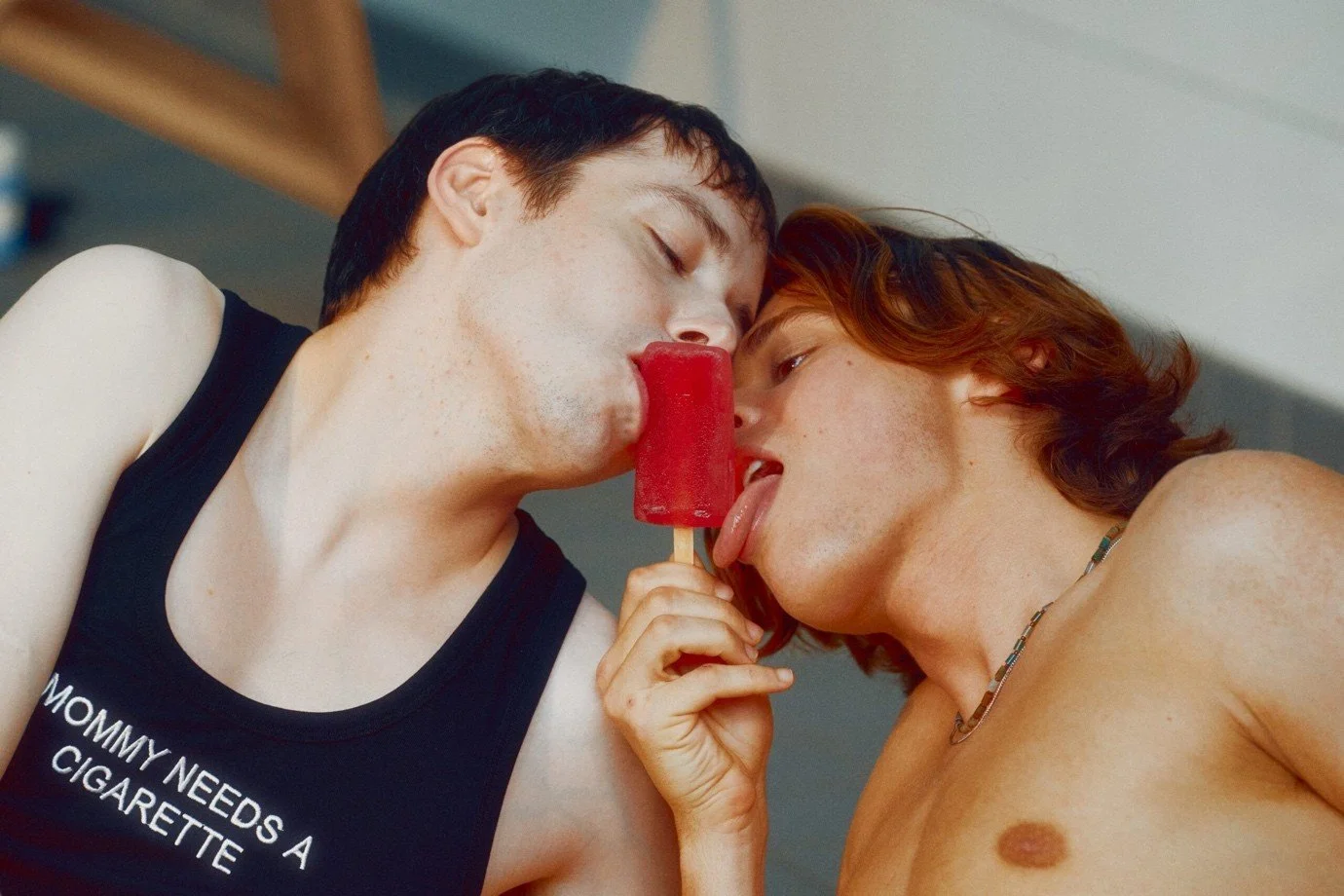
Pang (Lara Delmag, 2026)
Lara Delmage perfectly encapsulated the haunting reality of queer friendships in Pang. I have rarely seen a dynamic portrayed quite like this on screen; it’s one of a kind. Childhood best friends, ‘Cam’ and ‘Evie’, spend their last day together before their lives begin to diverge. Their familiar summer ritual of lounging by the pool in bikinis becomes uneasy as the impending separation exposes a grey area of their relationship.
Visually, Pang is striking, with a colour palette that beautifully captures feminine energy. Delmange captures the awkwardness of growing apart without making the transition feel simple or predictable. The film’s surreal moments bring a narrative that almost makes their final day together dream-like.
During the Q&A, Delmange described the pool as “such an in-between space”, where people are “clothed or unclothed” and “you can see everybody everywhere”. She said: “It’s just the perfect stage to set this love story that is so murky and in-between.” Having lived with the story since she was Cam and Evie’s age, Delmange explained that the location came to her naturally. Her choice aids the reflection of the girls’ own in-between stage of life, caught between intimacy and life after summer. It is the perfect balance between the beautiful setting and the discomfort of their changing relationship that makes Pang so compelling.
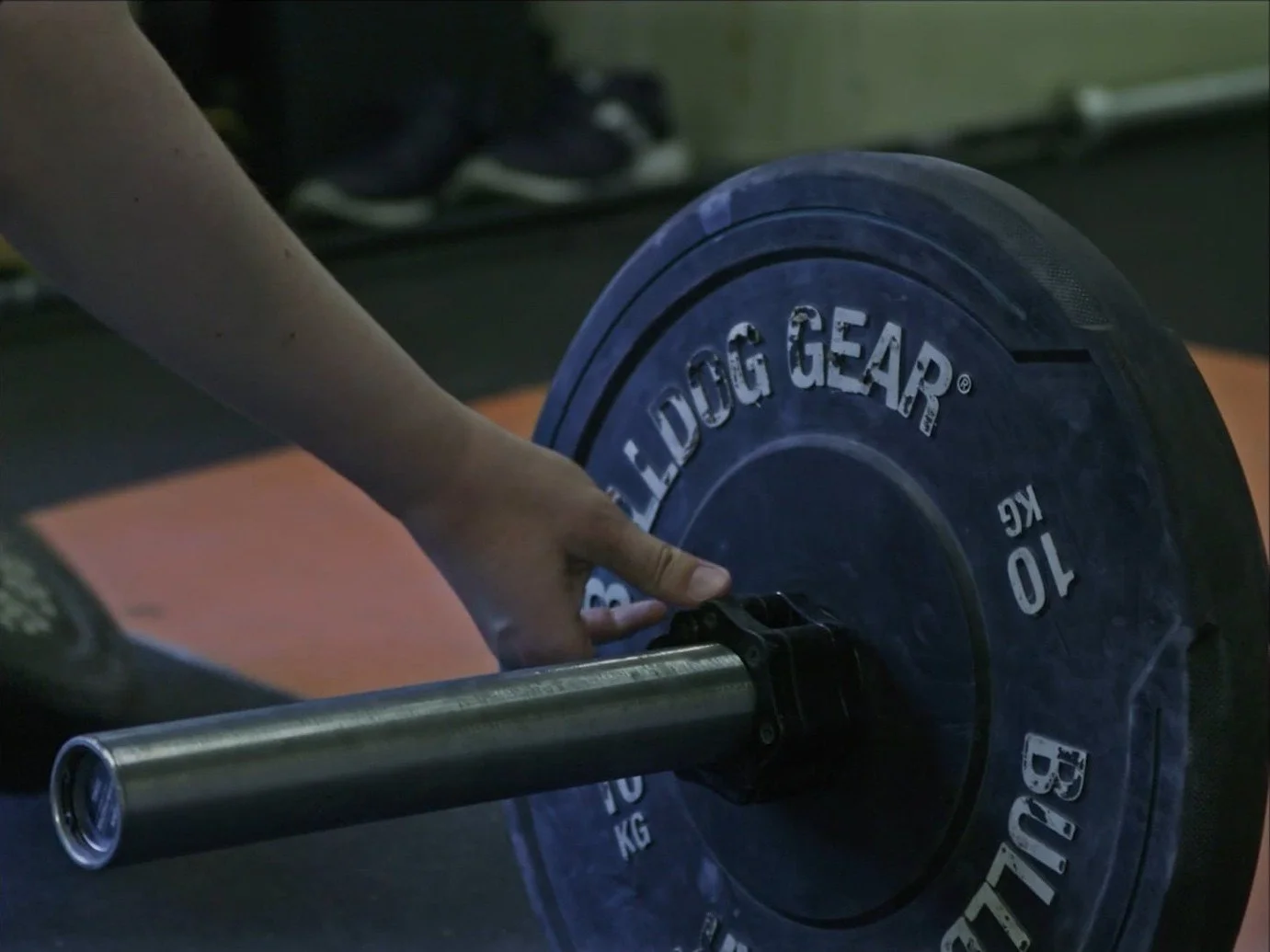
The Muscle Knows Better Than To Wait (Eric Monde, 2025)
he Muscle Knows Better Than To Wait is the perfect answer to what it means to embody queer strength. Through a montage of weightlifting and people sharing their own experiences, The Muscle Knows Better Than To Wait explores strengths beyond the physical. Each person involved in the film offers a glimpse into why they joined the club, revealing how sport and the gym gives them a sense of community, self-expression, and belonging.
Inspired by writer June Jordan’s words: “I wanted to become a menace to my enemies”, this short explores power through trans bodies, challenging conventional perceptions of strength and masculinity. This film demonstrates that weightlifting becomes more than a pursuit of fitness; it offers a way for queer and trans people alike to reclaim their bodies and redefine what power looks like to them.
The close-up shots of flexing muscles and sweat beading on backs capture the intimacy and raw power that weightlifting has to offer. The film truly highlights the beauty of the human body. Paired with participants’ stories, the imagery once again reinforces the idea that strength extends beyond physical ability. It becomes a way for queer and trans people to feel empowered within their own body and identity.
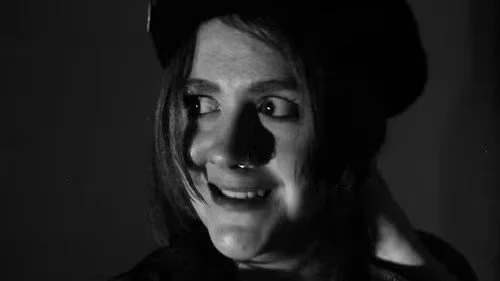
The Collective (Beth Johnston, Daniel Archibald, 2025)
You're living in a black-and-white dystopian Scotland under a fascist regime. One morning, you turn on the radio, only to be met with the same government drivel you’ve been hearing for months on end. That is, until the broadcast is hijacked by a Riot Grrrl-esque group determined to challenge the status quo. Directed by Beth Johnston and Daniel Archibald, The Collective is an extremely compelling yet hilarious short that makes you feel more connected to Glasgow than ever. The audience didn’t stop laughing, and the film made us Glaswegians feel as though we were a part of our own inside joke: “Stop the demoralisation of George Square”.
Set in a small room amid a power cut, the film makes great use of its enclosed and dark setting. The black-and-white imagery and confined space reinforces the oppressive atmosphere; the group’s determination to continue broadcasting throughout the power cut displays the resilience of their rebellion against the fascist regime.
Director Beth Johnston explains that The Collective was inspired by the 1980s film ‘Born in Flames’ by Lizzie Borden and “Glasgow’s history of protest”. This blend of humour and political frustration gives the film a clear edge, allowing genuine anger to be expressed while not losing its playful wit.
The Collective feels like an ode to the rebellious streak Glasgow once had: “We demand a revolution.”
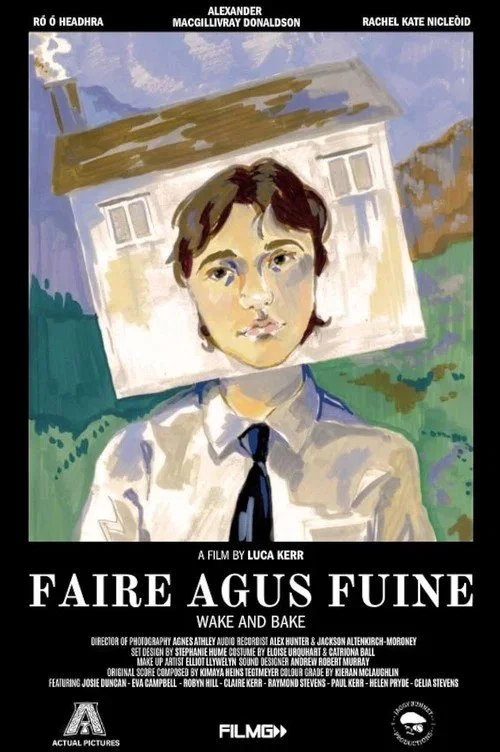
Wake and Bake (Luca Kerr, 2026)
As the only Gaelic short at the opening night, Wake and Bake or Faire agus Fuine, brings a distinct Scottish exploration of queer identity, grief and acceptance.
Returning home for his grandmother’s wake, Fionn finds himself in an uncomfortable family reunion where he feels his identity is being questioned and not recognised. Seeking refuge with his cousin, Aonghas, the pair venture to the garden, where Aonghas digs up a 13-year-old stash of cannabis from a plant pot, leading to hilarious consequences and heartwarming realisations.
In a tender shift from the film’s comedy, Fionn sits beside his grandmother and holds her hand, prompting a flashback to a younger him before transitioning. The memory reveals her acceptance through the offering of a Nerf gun, a symbol of her truly embracing Fionn’s identity. Rather than relying on a declaration of support, the gesture reflected something deeper.
The memory reveals her acceptance of him; this quiet scene reframes the short’s comedy to show you how meaningful it can be to have even one person who accepts you for who you truly are. By bringing the Gaelic language and Scottish cultural identity together, it created a heartfelt portrayal of queer belonging and acceptance.
Director Luca Kerr said the approach to scripting this film was an: “inherently collaborative process”. Kerr added: “So I wrote this up in English, and then I transcribed the dialogue into Gaelic; all the grammar was fucked.” Kerr had both native and fluent Gaelic speakers star in his film and help with his grammar... Wake and Bake delivers a reminder of the importance of feeling seen and being seen.
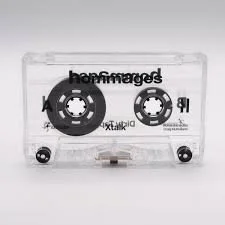
XTalk by HommAges (Craig Mulholland, 2026)
For three days, a line to describe latex has been stuck in my head: “Latex gives a distinct elastic flick”. There is something about this phrase, maybe because it’s oddly intimate or maybe it’s because I enjoyed the way it was spoken, but Talk really does have a way to stay memorable. Director Craig Mulholland says they associate latex with “flesh”, which blurs the film’s boundary between body and material as if latex is a second skin.
Sometimes, one signal bleeds into another. On a cassette tape, this creates crosstalk. Faint traces of sound slip down either side of the cassette. In XTalk, HommAge transforms this technical glitch into a way of thinking about queer identity, intimacy and desire. Pushing the boundaries.
Although Xtalk is visually gripping, what drew me in was the sound. Inspired by the cassette tape crosswalk, where sound bleeds through neighbouring tracks. HommAge has created an audio that begins as a technical glitch but becomes somewhat enticing. Using distorted synths, drum machines and text-to-voice synthesis, it creates an unpredictable soundscape. As the beat picks up a little, the screen changes to a mirrored video of Chao-Ying Betty Rao pole dancing in an outfit of latex. This brought a visual dimension to XTalk’s exploration of body and control.
In the SQIFF program, the summary states: “XTalk reframes autonomy, objectification and porous boundaries between subject and object within BDSM culture, fetish materiality and Queer ontology.” These ideas emerge through the sound, image and the bodies on the screen. The audience is invited in to reconsider the boundaries between control and desire.
