
Scotland’s Biggest Gaelic Festival Kicks Off With “Night of the Poets” | Lauren Cairnie
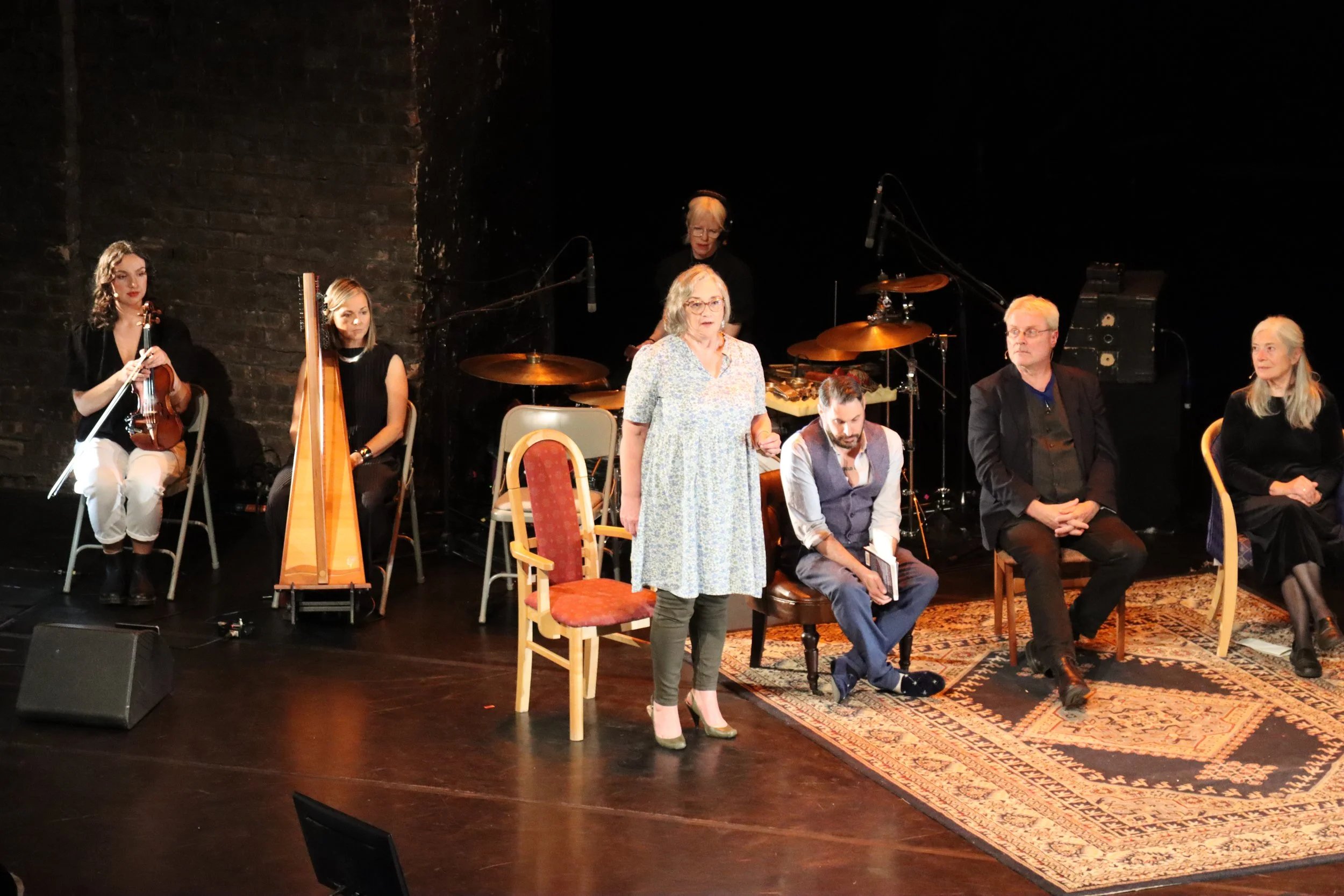
Photo by: An Comunn Gaidhealach
Scotland’s biggest Gaelic festival kicked off last night with Oidhche nam Bàrd - Poetry in Art and Sound, delivering an array of enchanting performances of historic and contemporary music and spoken word.
The Glasgow Southside art centre, Tramway, hosted “The Night of the Poets” in the lead-up to the Royal National Mòd: a celebration of Gaelic culture, history, music and literature, which commences in four weeks.
A cross-generational audience came out to support and enjoy the recitals of poetry and music by Gaelic-speaking performers.
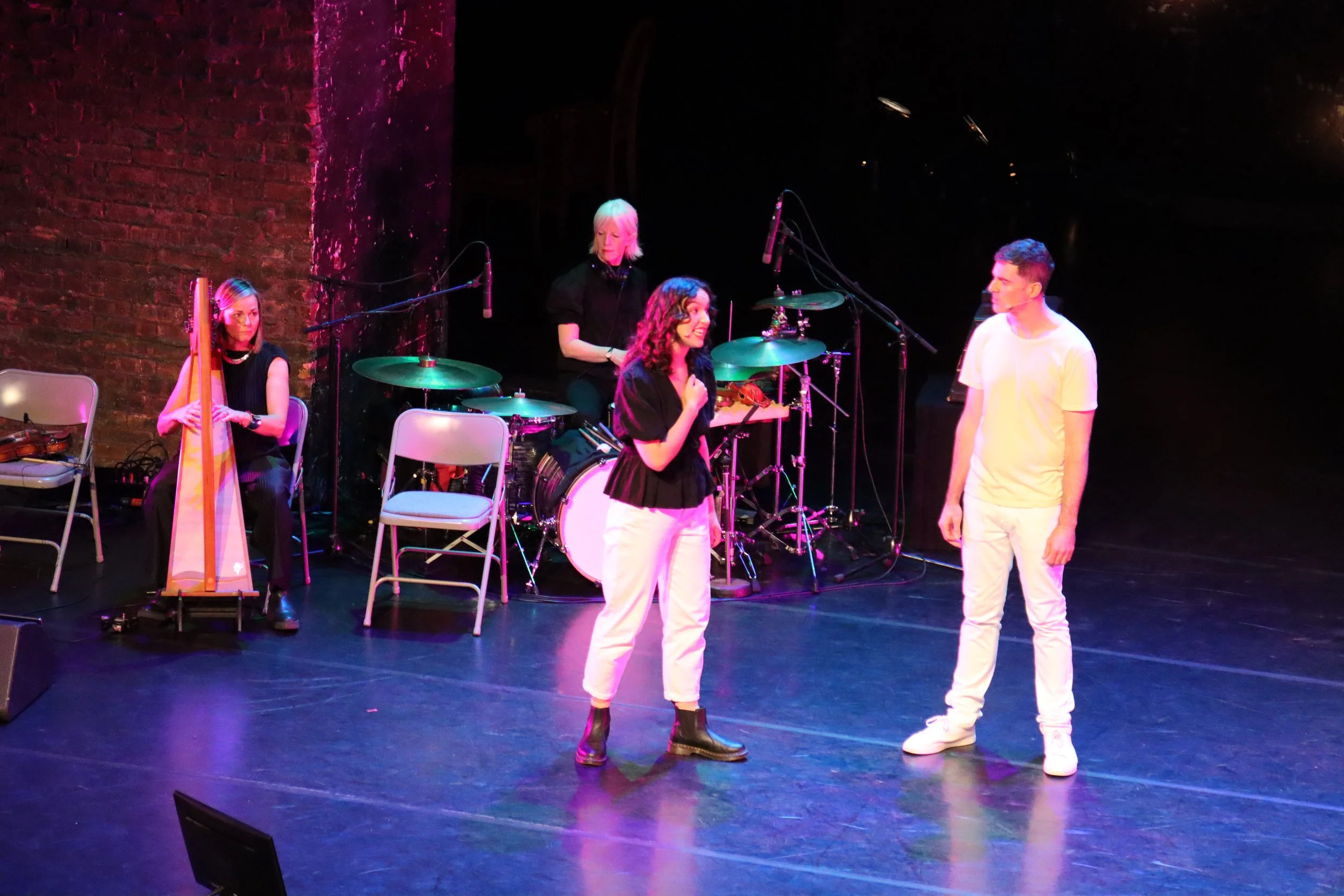
Photo by An Comunn Gaidhealach
The show opened with an extended act by three actors or “cleasaichean”: Alasdair Maclllebhàin, Claire Frances NicNeil and Gillebrìde Maclllemhaoil, who each performed enchanting sonnets and melodies, individually and in harmony.
Each verse told a unique story steeped in Celtic history whilst the English translation was projected on the wall to accommodate non-Gaelic speakers.
In the backdrop of their performance, another projector screen showed a visual aid to the poetry being spoken, showing newly filmed videos of the Western Isles and historic imagery of nature, landscapes and Gaelic items.
Afterwards, the stage was decorated with antique rugs and chairs to welcome the bards, or “bàird”, a group of ten contemporary poets. Each took turns to be centre stage and share their written work, which were accompanied by projections of Gaelic-orientated contemporary art.
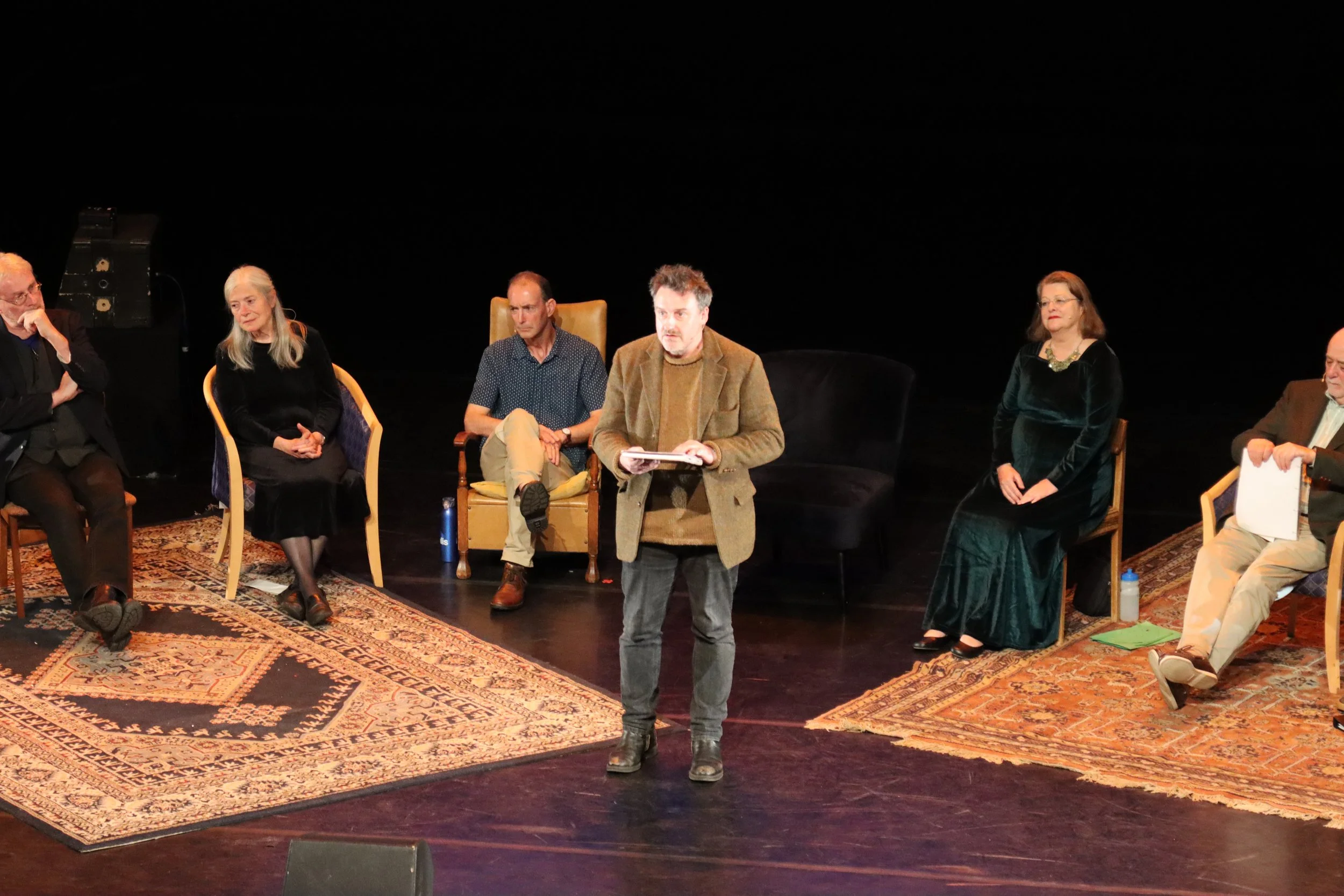
Photo by: An Comunn Gaidhealach
Rona Macdonald, senior arts producer at Glasgow Life, recounted how 2026 has been a significant year for Gaelic culture and highlighted how vital it is to keep Scotland’s Gaelic history alive: “I think it’s a really important year, the Royal National Mòd comes to the city in October and Glasgow life have a Gaelic arts programme, so I think it been a very busy year for Gaelic.
“All of Scotland was Gaelic speaking in the 13th century and through a whole process of colonisation, suppression and various acts of parliament, the Gaelic language was suppressed.
“But we’ve still kept speaking it and its now growing in Glasgow. If you lose that language, then you lose a big part of who Scotland is and you lose that history.
“I think it’s a celebrated identity, especially in Glasgow.”
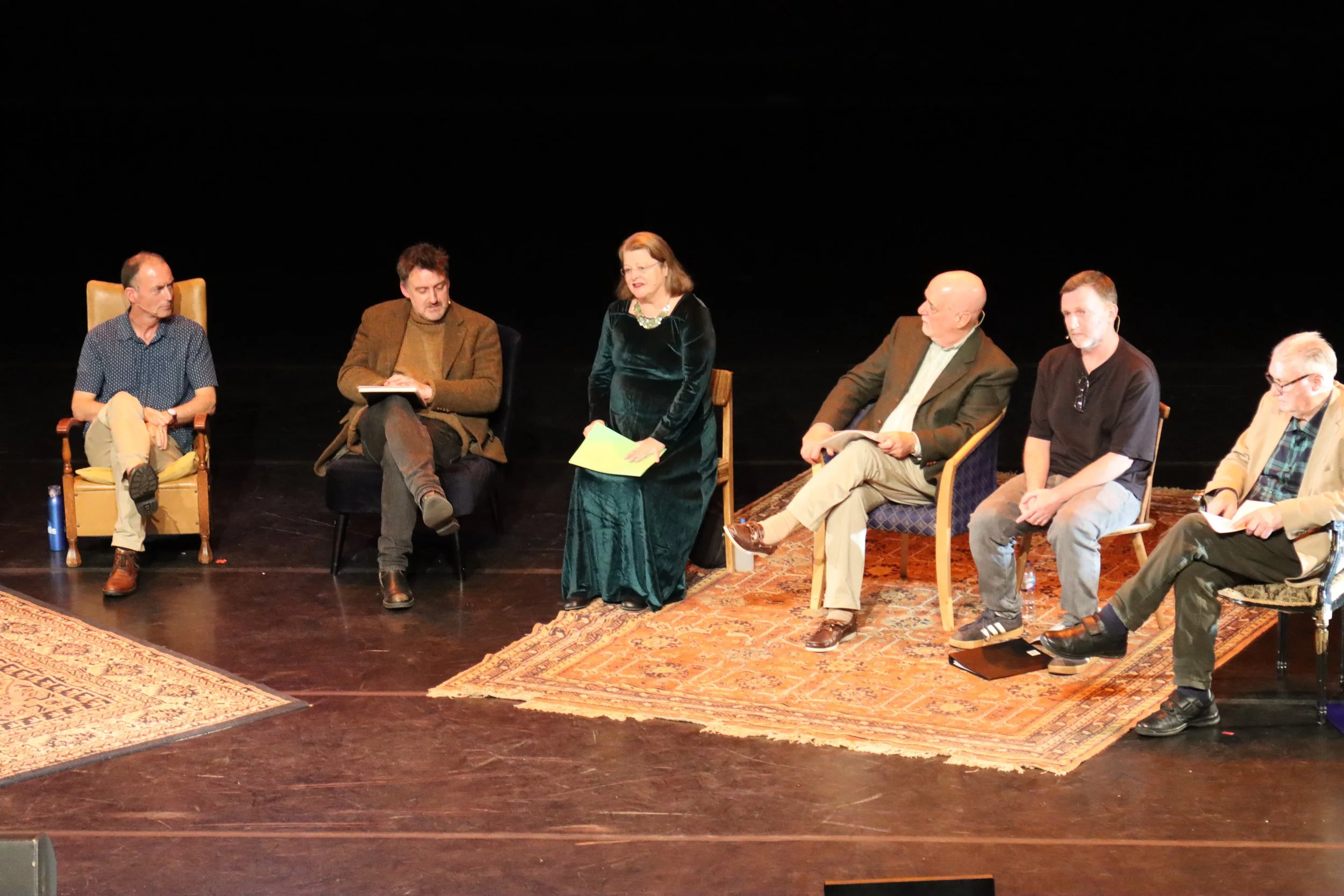
Photo by: An Comunn Gaidhealach
Gaelic culture has a rich history with an appreciation for traditional poetry and music, the idea for the event was to bring a small essence of that long body of work to a single night.
The Mòd has been running since 1891, but the passion for it has remained if not grown with each new generation.
Ann Kindness, vice convenor of the An Commun Gàidhealach local organising committee for the 2026 Royal National Mod, credited the Mòd’s modern success to younger Gaelic enthusiast showing an interest in Gaelic culture: ““It’s actually incredible how good it (the Mòd) now is and how much more it’s known about it, the use of social media has helped us greatly in the promotion of it over the years.
“I think what’s really encouraging for us in the amount of not just new young children but teenagers as well showing interest in Gaelic culture and music.
“Gaelic medium education has been in the city for over 40 years and we’re now really starting to reap the rewards of it by seeing the interest in the younger generation.”
The Royal National Mòd will be running across Glasgow from October 9 – 17.
