
Interview | Dev Kornish: Propaganda Art
Dev Kornish (they/them) is a software engineer, bioinformatician, fashion model and trade union leader, who creates propaganda art as part of their activism.
Disobedient spoke to Dev about their pieces and what inspires them.
Q: How did you begin creating, in particular, what led you to your trade union pieces?
A: I’ve been a hobbyist since I was a wee kid, never got trained in the arts or anything, but visual art is a persistent background passion in my life. My background is in software engineering, an industry with a fair amount of competition between colleagues, and in my early career I wasn’t feeling particularly secure in my job and wasn’t too sure where to turn (United Tech and Allied Workers was still a bit young at this stage, before any of you come for me).
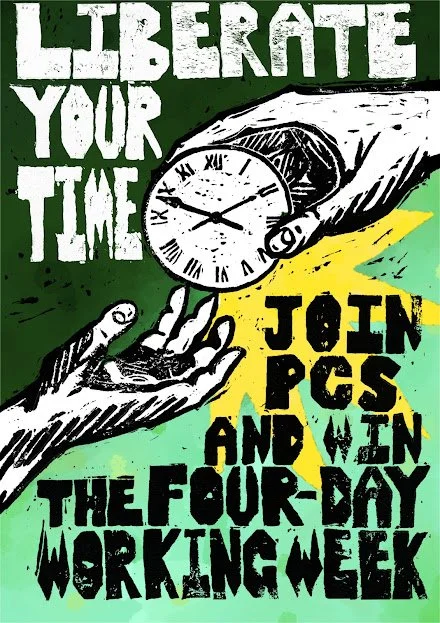
So, when I landed a job with a recognised trade union, it was pretty natural for me to join up immediately; the trade unionists are always keen to have new activists who aren’t approaching retirement, frankly. Some of the guys were getting decent traction on their four-day working week campaign and needed a poster.
Q: Throughout history, propaganda art has been very effective in communicating with people. Why do you think this is?
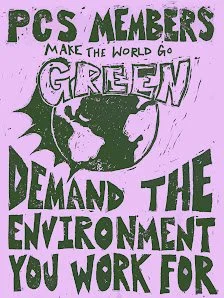
A: In making propaganda, we are always seeking to elicit a reaction. Some to agitate, others to inspire. Use of language is important; one catchy slogan could stick in someone’s head all day, and compel them to be your latest recruit, get angry or get up and join that protest.
The feelings a propaganda artwork can elicit are the most important part. You don’t have someone’s attention for very long and you have to make it count.
Q: What inspires your work?
A: Other propagandists, mostly. I like studying Mexican Revolution artists’ lino cut work, present-day and historic trade union banners. I pay particular attention to rally chants and catchy language because my work has a particular focus on typographing slogans, so stealing interesting bits of phraseology here and there helps a lot.
I made this after seeing a protest photo where a blurry member of the crowd was sporting a shirt with the same phrase. Went home and made myself one pretty immediately.
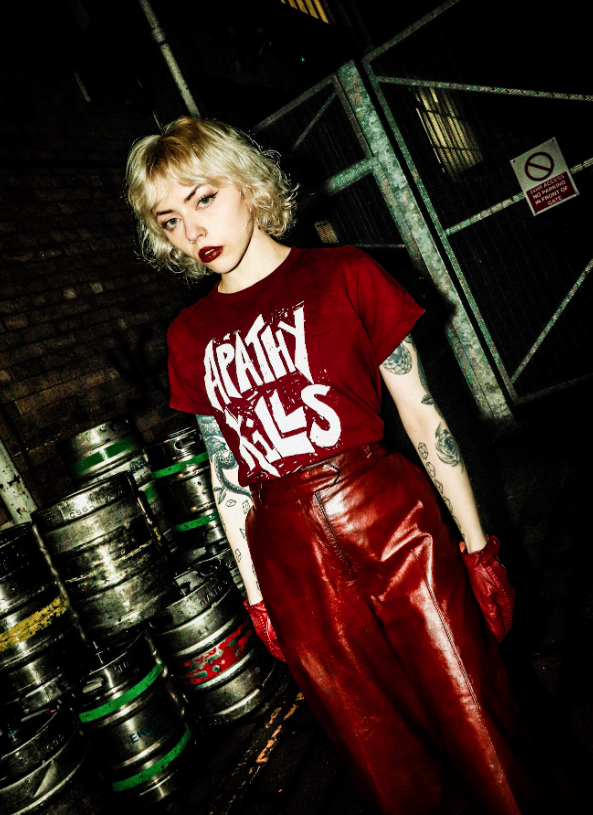
Photo by @toms_drawing_board (Instagram)
Q: What is your favourite medium to work with?
A: I’ve developed a deep love for lino cut relief printing, but I’m not particularly fussed about what I’m printing on. Card, tote bags, t-shirts, banners, anything. The reproducibility is part of the appeal, and the limitations of the medium are fun.
Q: How do you make time to create while working in a different field?
A: Some works, with legitimate union uses, I can do on facility time. Outside of working full time and modelling part time, it is just through gritted teeth. Lunchtimes and midnights are invaluable.
Q: Disobedient Magazine is focused on the relationship between resistance and art. What does this mean to you?
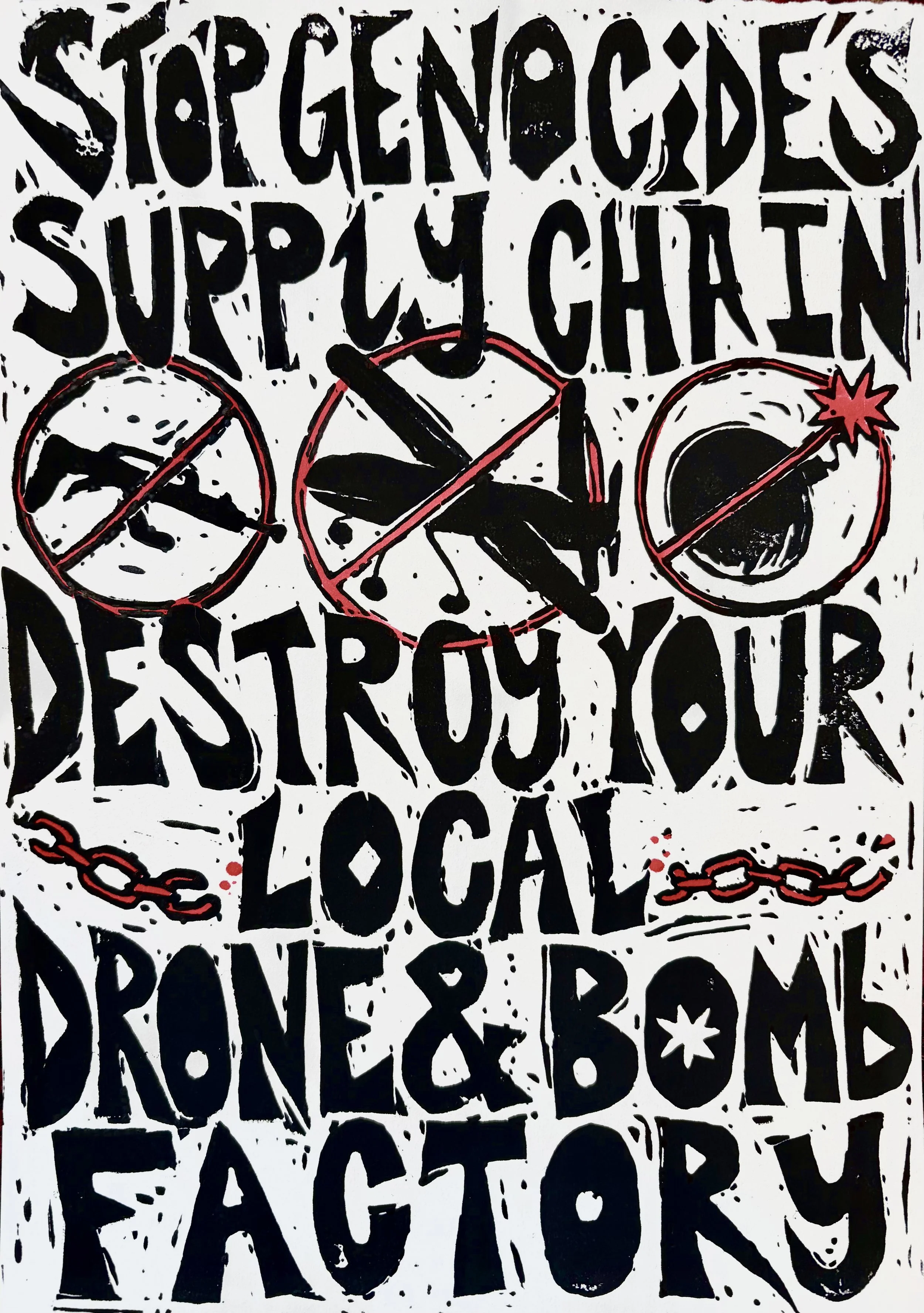
A: The visual world is made up of a range of artistic choices, most of which have some political bearing. From whatever’s on your television screen to your built environment, it’s important to take notice of not just what you’re seeing, but what you’re not seeing. What are the missing narratives, and why? If one piece of graffiti from that old wall has been removed but not the other, why?
Resistance art is counterculture, and serves as a way we can document history while it is taking place.
See more of Dev’s work at www.devaret.com / @devkornish on Instagram.
By Sabrina Sigler - Editor in Chief
